
Preparing For Your Ayahuasca Ceremony
“Accept yourself fully, exactly as you are. From that acceptance, profound and lasting change will flourish.” – Jim Davis
Why Preparing for Ayahuasca Ceremonies Matters
Thoughtful preparation in the weeks leading up to an ayahuasca retreat can meaningfully influence both the ceremony experience and any long-term insights gained. A foundational element of this process is the traditional preparation diet, which is designed to support physical, emotional, and mental readiness. Many retreat facilitators emphasize that the cleaner and more balanced the body is, the more easefully the experience may unfold.
Ayahuasca is often approached for its potential to support inner exploration, emotional release, and deeper self-reflection. Participants commonly describe the process as one that brings forward suppressed emotions, highlights limiting beliefs, and invites engagement with the “shadow” the parts of ourselves we tend to overlook or avoid. With adequate preparation, individuals may feel more resourced to navigate these insights, creating space for clarity, emotional release, and a more grounded sense of self.
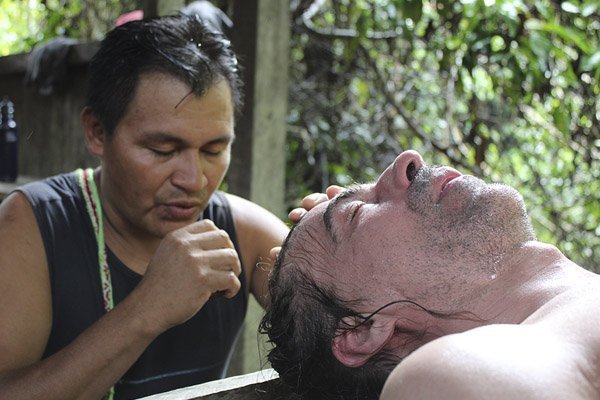
Approached with sincere intention, the experience may also illuminate personal strengths and positive inner qualities such as compassion, joy, and a sense of inner lightness that are sometimes obscured by stress or past experiences. The depth and clarity of this process often depend on how prepared and centered one is beforehand.
Without intentional preparation, early ceremonies may involve heightened physical purging or emotional turbulence as the body and mind adjust. While these responses are not uncommon, many practitioners note that preparation can help reduce unnecessary discomfort and create a smoother transition into the deeper aspects of the work.
Most retreat centers recommend at least two weeks of preparation, with a full month or longer offering even greater benefit. At its core, preparation is an invitation to practice healthy living: nourishing the body with clean foods, cultivating calm and focused thoughts, and making conscious, supportive lifestyle choices. Arriving in this state allows the experience to begin from a place of clarity rather than detoxification.
Skipping preparation often leads to early sessions being spent on basic physical and mental clearing commonly accompanied by nausea, purging, and difficulty focusing. Following the guidelines provided by your retreat center can significantly reduce this initial discomfort and allow you to enter the process with steadiness and intention.
Your future self will feel the difference that starting clean and prepared can make.
The Ayahuasca Dieta
Working with ayahuasca requires a special dieta to prepare your body, mind, and spirit to receive the full healing potential of the medicine. The dieta followed at the Vancouver Island Ayahuasca Center aligns with traditional Amazonian practices and is an essential part of your preparation for ceremony.
The cleaner your body is when you arrive, the more productive, insightful, and beautiful your experiences with ayahuasca can be. To receive the greatest benefit from your retreat, please follow the guidelines below both before and after your stay:
Two Weeks Before and After
- Pork
- Red meat
- Alcohol
- All street/recreational drugs
- Marijuana (the longer you abstain, the better)
- All forms of medication (consult your doctor before stopping anything)
- Any form of sexual activity, including solo.
- Chilies and other hot or spicy foods
- Refined sugars, caffeine, and other stimulants
- Minimize salt—normal cooking salt is okay, but avoid heavily salted foods
- Foods high in tyramine, which can cause adverse reactions with MAOIs:
- Aged or strong cheeses
- Cured meats
- Smoked or processed meats
- Pickled or fermented foods
- Soybeans
- Dried or overripe fruits
- See this Mayo Clinic article for more on MAOIs and diet
One Week Before and After
- Refined sugars
- Oily, greasy foods (healthy oils like olive, coconut, or fish oil are fine)
- Red meat
- Junk food and processed snacks
- Soft drinks and chocolate
- All artificial sweeteners
- Caffeine and energy drinks
- Dairy products
Begin Ayahuasca Preparation Early
The earlier you begin preparing for ayahuasca, the more productive and comfortable your experience is likely to be. The idea is simple: the cleaner your body and mind are when you arrive, the less initial detox the medicine has to do and the sooner deeper healing and insight can begin.
If possible, we recommend starting your preparation two to three months in advance. While this might sound like a big commitment, it’s really just healthy living and self-care. The effort you invest now creates the foundation for a more profound and rewarding ayahuasca journey.
Become Willing
Many people describe ayahuasca as functioning like a mirror for the subconscious, bringing forward aspects of the inner world that are often overlooked or avoided such as fear, unresolved grief, self-deception, or limiting patterns of thought. These experiences can reflect emotional material that individuals may have learned to suppress or distract themselves from in daily life. When these layers surface, they can offer an opportunity for reflection, processing, and emotional release.
Engaging with what has been hidden is frequently seen as a meaningful part of personal healing. It involves setting aside preconceived ideas about who we believe we should be and meeting our internal experience as it is, without judgment. Genuine transformation often requires moving through periods of discomfort or vulnerability, and when such challenges arise, they can become invitations to greater clarity and authenticity.
A key element of this inner work is a sense of willingness an openness to whatever emerges, rather than resistance or expectation. This does not mean seeking difficulty; rather, it involves allowing the process to unfold naturally. Many people report experiences that are profound, uplifting, or deeply peaceful, while others move through moments of intensity or emotional challenge. Both can be part of the broader arc of growth.
Approaching the experience with openness and self-trust can make navigating these moments easier. Even uncomfortable emotions can hold meaning and contribute to deeper understanding. When individuals soften resistance and meet their inner landscape with curiosity, the tension surrounding difficult emotions often begins to lessen. What initially feels challenging can, in some cases, become a turning point in personal insight.
Ultimately, the process tends to be most constructive when approached with honesty, courage, and a willingness to engage thoughtfully with whatever arises.
Practice Mindfulness
Mindfulness is the practice of paying attention to the present moment without judgment. Attention to our thoughts, feelings, and bodily sensations. It’s about developing an honest awareness of your internal experience rather than being focused on the external world. Meditation, yoga, tai chi, or simply slowing down and observing your thoughts and reactions can all help cultivate mindfulness.
Mindfulness is foundational for emotional healing and personal growth. In his book The Body Keeps the Score, trauma expert Bessel van der Kolk writes, “Mindfulness practice is the cornerstone of recovery from trauma,” and emphasizes that “at the core of recovery is self-awareness.” Ayahuasca acts as a mirror to the inner world, and what it shows can be painful, surprising, or deeply moving. Having experience with observing your inner life calmly and honestly makes it easier to receive the insights the medicine brings.
If you’re curious about how the brain influences our inner experience, we recommend a talk by scientist and spiritual teacher Gary Weber titled The Default Mode Network & End of Suffering. He explains how the Default Mode Network a part of the brain linked to self-referential thinking and internal dialogue shapes our sense of self, and how meditation and plant medicines like ayahuasca can quiet this network. Understanding these patterns can help us approach healing with more clarity, patience, and compassion for ourselves.
Self-awareness is key to lasting healing and transformation. True change begins when we explore our inner world with curiosity and compassion, and look at how our thoughts and emotions interact, at what lies beneath them. As self-awareness grows, so does self-acceptance and from that foundation, real transformation can begin. As Carl Rogers wisely said, “The curious paradox is that when I accept myself just as I am, then I can change.”
Cultivate Gratitude and Appreciation
Intentionally focusing on elevated emotional states like gratitude, love, and appreciation can have a profound impact on both mind and body. Every thought we think triggers chemical responses in the body, which we experience as emotion. Over time, these patterns shape our mental and physical well-being.
By consciously choosing thoughts that align with higher vibrations, such as joy, peace, compassion, and thankfulness, we can shift into a more harmonious state. This alignment creates what is known as heart–brain coherence, where the rhythms of the heart and brain sync. In this state, the body naturally begins to restore and heal itself.
Research in positive psychology shows that gratitude is consistently linked to increased happiness and resilience. It helps us feel more positive emotions, savor our experiences, improve our health, and build deeper, more fulfilling relationships. Making gratitude a daily practice can be one of the most powerful tools for personal transformation.
Practice Contemplation
Contemplative practice is a gentle yet powerful way to support personal transformation. While meditation often involves focusing the mind on a single object like the breath or a mantra contemplation is more about holding a question or theme in your heart with openness and curiosity. It invites presence in heart, mind, and body, creating space for insight to emerge naturally.
Contemplation isn’t about solving or analyzing. It’s about listening deeply, being present with what is, and allowing the inner landscape to unfold. This practice can help clarify intentions, foster inner peace, and prepare you for the subtle teachings that may arise in ayahuasca ceremonies.
If you’re new to this approach, this short article is a helpful starting point: What Is Contemplation.
Spend Time in Nature
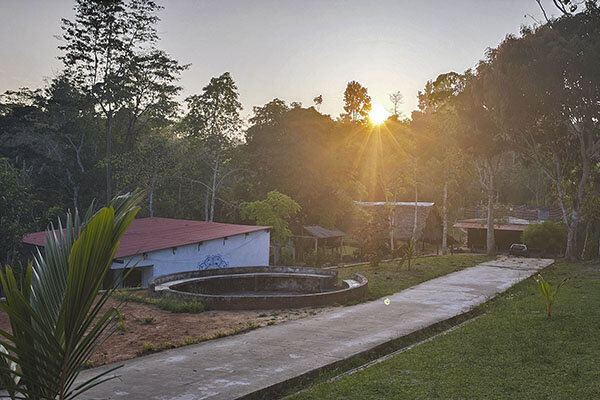
Spending time in nature has a powerful effect on our emotional and physical well-being. It helps reduce stress, anxiety, and anger, while boosting feelings of calm, peace, and happiness. A simple walk in the woods can lower blood pressure, slow heart rate, ease muscle tension, and reduce stress hormones.
Research consistently shows that time in nature enhances overall well-being. A lighthearted but insightful example is the “Nature Rx” parody ad, which humorously highlights the restorative benefits of outdoor time.
In one study published by the organization Mind, 95% of participants reported feeling improved mood after being outdoors shifting from stressed or anxious to more relaxed and balanced. Other research by Ulrich, Kim, and Cervinka links time in nature to increased vitality, a stronger sense of meaning, and higher psychological well-being.
Nature also enhances attention and mental clarity. Because our brains are naturally drawn to the sights and sounds of the natural world, time outside gives our minds a chance to rest and reset leaving us refreshed and more focused afterward.
Get Regular Exercise
Movement is medicine. Regular physical activity supports emotional balance, improves sleep, boosts energy, and helps regulate mood essential benefits when preparing for deep inner work with ayahuasca. Exercise also promotes circulation and detoxification, supporting the body’s ability to cleanse itself naturally before entering into ceremony.
You don’t need to train like an athlete to see results. A 30-minute walk, gentle yoga, swimming, or dancing several times a week can have a profound effect on your overall well-being. The most important thing is consistency and choosing something you enjoy.
When your body feels strong and vital, you’re better able to meet the challenges and insights that arise during ceremony. Physical activity can also help process and integrate emotions that come up in the lead-up to your retreat. By caring for your body now, you’re laying a strong foundation for healing, clarity, and growth.
Get Informed on Integration
Integration is where the real work begins. After the ceremonies are over and the insights have come, the next step is learning how to apply those insights in daily life. This is what allows the healing to take root and grow. Without integration, even profound experiences can fade into memory without creating lasting change.
Ayahuasca may show you what needs to shift your job is to live those changes into being. Integration is about consciously creating space for new, healthier ways of thinking, feeling, and relating to the world. This includes developing supportive habits, setting boundaries, nurturing your body, and continuing to reflect inwardly.
We encourage you to begin thinking about integration even before your retreat starts. The more grounded and intentional you are going in, the smoother your path will be afterward.
Here are two excellent resources that go deeper into integration and offer tools to support your journey: MAPS Psychedelic Integration Station Demystifying Ayahuasca Integration
Eat Healthy
What we eat profoundly influences how we feel physically, emotionally, and even spiritually. While much attention is given to what to avoid on the ayahuasca diet, it’s equally important to focus on nourishing your body with wholesome, nutrient-rich foods. A balanced, clean diet supports your physical wellbeing and helps you enter ceremony in a clear and receptive state.
Food is more than fuel; it’s the building material for your body and mind. A clean diet reduces inflammation, stabilizes mood, and sharpens cognitive function. When we eat well, we not only feel better we become more open to the subtle teachings of plant medicine.
Here are some simple guidelines to support healthy eating during your preparation:
- Eat plenty of fresh fruits and vegetables. Dark leafy greens are especially beneficial.
- Choose whole grains such as oats, barley, and quinoa.
- Limit or avoid refined sugars.
- Minimize beef and pork consumption.
- Avoid processed foods, which often contain hidden sugars and artificial additives.
For clear, research-based information on healthy eating, the The Nutrition Source from Harvard Medical School offers a well-organized resource on nutrition.
For those looking for more detailed information on nutrition, their complete report based on 30 years of research is here: Guide To Healthy Eating.
You may also enjoy reading Lessons from 14 Years Facilitating Ayahuasca Retreats for more practical insights into preparing for this work.